Введение
For high‑horsepower applications powered by the
Isuzu 6UZ1
diesel engine, the
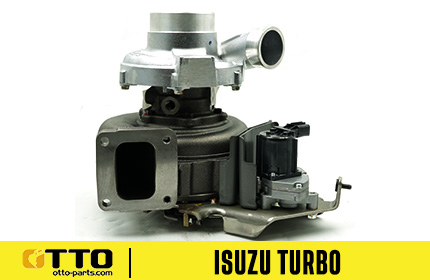
1‑14400463‑4 turbocharger
is far more than an add‑on; it is the component that transforms a large displacement into usable, reliable power. This turbocharger enables the 9.8L 6UZ1‑TC engine to meet demanding specifications like
362 hp
and
1,090 lb‑ft of torque
while maintaining fuel efficiency and meeting stringent emissions standards. When this part performs as designed, you get strong pulling power, stable operation, and long service life. When it fails, the impact is immediate: power loss, excessive smoke, high fuel consumption, and potential engine damage. This article explains what the 1‑14400463‑4 does, why quality matters, how to recognize failure signs, and how to maintain it for maximum reliability.
The Role of the 1‑14400463‑4 in the 6UZ1 Engine
The
1‑14400463‑4
is a turbocharger for the
Isuzu 6UZ1‑TC / 6UZ1‑TCG series
, an engine widely used in excavators, mining trucks, and other heavy equipment. It is typically an RHG7V or equivalent model, designed to handle the high exhaust temperatures and flow of a
9.8L inline‑six diesel
. The turbocharger uses exhaust gas energy to drive a turbine, which in turn spins a compressor. This compressor draws in ambient air, compresses it, and sends it to a charge air cooler before it enters the intake manifold. The result is a significant increase in air density, allowing more fuel to be burned efficiently. This process is essential for the 6UZ1 to achieve its rated power and torque across various applications, from highway trucks to construction machinery.
Why Quality Selection Matters
Isuzu
engines are known for their robust construction and precise engineering, and the turbocharger is a critical component that must match this standard. A high‑quality turbocharger for the 6UZ1 features a turbine and compressor designed for high temperatures and rotational speeds, a bearing system capable of handling the engine's output, and seals that prevent oil leakage. Using a well‑engineered turbocharger ensures that the engine can achieve its full power potential without compromising reliability. It is also important to ensure that the turbocharger is compatible with the specific 6UZ1 variant and its associated systems, such as the exhaust and intake plumbing. A mismatch can lead to poor performance, increased wear, and premature failure.
Mechanical Role and System Integration
The
1‑14400463‑4 turbocharger
plays a central role in the 6UZ1's performance by enabling precise control of boost pressure. It works in conjunction with other engine systems to optimize combustion and emissions. The turbocharger's ability to provide the right amount of boost at different engine speeds is crucial for maintaining low emissions and fuel consumption. Additionally, the turbocharger's integration with the engine's electronic control system allows for advanced features like variable geometry turbocharging (VGT) or wastegate control, which further enhance performance and efficiency. Proper installation and maintenance of the turbocharger are essential to ensure that it functions correctly and contributes to the overall health of the engine.
Common Symptoms, Causes, and Fixes
-
Loss of Power and Boost
If the engine feels sluggish and lacks the usual pulling power, the turbocharger may not be generating sufficient boost. This could be due to a worn turbine or compressor, a damaged wastegate, or a leak in the intake system. Inspecting the turbocharger for damage and checking the intake system for leaks can help identify the issue.
-
Excessive Smoke
Blue or black smoke from the exhaust can indicate that the turbocharger is not functioning properly. Blue smoke suggests oil is being burned, which could be due to worn seals or excessive oil in the intake system. Black smoke indicates incomplete combustion, which could be caused by a dirty air filter or a malfunctioning fuel system. Addressing these issues can help restore proper turbocharger function.
-
Unusual Noises
A loud whining or grinding noise from the turbocharger area can be a sign of bearing failure or damage to the turbine or compressor wheels. Inspecting the turbocharger for damage and ensuring that the lubrication system is functioning correctly can help prevent further issues.
-
Overheating
If the engine is running hotter than usual, it could be due to a malfunctioning turbocharger. A damaged turbocharger can cause exhaust gases to flow improperly, leading to increased engine temperatures. Checking the turbocharger and the cooling system can help identify the problem.
A Practical Diagnostic Path
Start with a visual inspection of the turbocharger, intake, and exhaust systems. Look for signs of damage, such as cracks or leaks, and check the oil lines for any signs of leakage. Use a boost gauge to measure the actual boost pressure and compare it to the expected value. If the boost pressure is low, inspect the wastegate and the intake system for any restrictions or leaks. If the turbocharger is making unusual noises, it may be necessary to remove it for a more detailed inspection. Checking the engine's oil pressure and quality can also provide insights into potential turbocharger issues.
Installation and Maintenance Best Practices
Before installing the turbocharger, ensure that all components are clean and free of debris. Use new gaskets and seals to prevent leaks. When installing the turbocharger, make sure that it is properly aligned and that all connections are tight. After installation, start the engine and allow it to idle for a few minutes to allow the oil to circulate through the turbocharger. Regularly inspect the turbocharger and the associated systems to ensure that they are functioning correctly. Following the manufacturer's recommended maintenance schedule can help prevent issues and extend the life of the turbocharger.
Smarter Buying and Sourcing Decisions
When sourcing the
1‑14400463‑4 turbocharger
, verify the part number against your engine's application and build configuration. Choose a supplier with experience in Isuzu engines and a reputation for quality. A high‑quality turbocharger from a reliable supplier can provide years of reliable service and help you get the most out of your 6UZ1 engine.
Conclusion
The
Isuzu 6UZ1 1‑14400463‑4 turbocharger
is a critical component that enables the 6UZ1 engine to deliver its full power potential. By understanding its role, confirming precise fitment, diagnosing issues systematically, and maintaining it with discipline, you protect uptime, reduce costs, and keep your equipment performing at its best. Choose quality, follow the correct procedures, and your turbocharger will reward you with years of dependable service.


 IPv6 Сеть поддерживается
 русский
 English
 español